Regent Park Movie Nights
Regent Park Movie Nights
Curated and Introduced by Arthur Grant at The Cinema Cafe
www.thecinemacafe.com
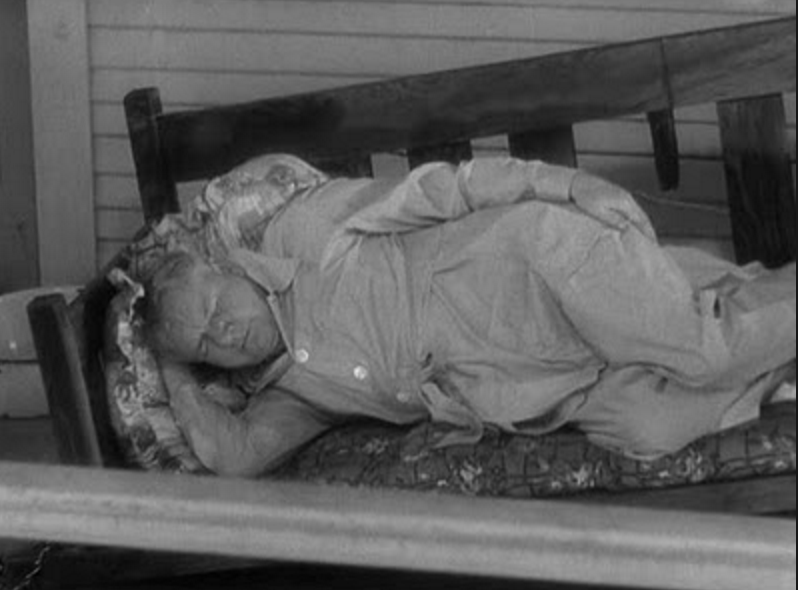
W.C. Fields
It’s a Gift (1934) “W.C. Fields never found a more true to life environment than It’s a Gift to ply his deadpan but hilariously creative humour. His domestic setting is so full of relatable situations and characters, not a single scene (apart from the time period fixtures contained therein) appears dated in the slightest.”
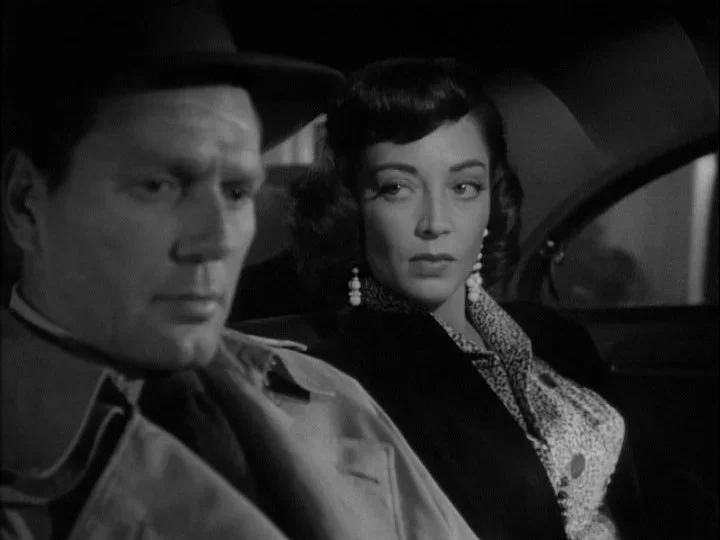
Charles McGraw, Marie Windsor
The Narrow Margin (1952) “Another noir stalwart, actress Marie Windsor, plays the ex-mob wife full of acutely sarcastic pessimism. It’s almost as if being killed wouldn't be so bad as long as everyone listens to her endlessly whinge about it first. Her choice barbs hurled toward noir veteran Charles McGraw, playing her police escort, are relentless. Both characters consistently try and outdo one another in cynical contempt, much to our delight. The mobsters who want her permanently silenced are mostly shrewd and formidable, intensifying the suspense. Director Richard Fleischer (Armored Car Robbery, The Clay Pigeon, Follow Me Quietly) excels in these short and punchy thrill rides that leave us marvelling at his economic, controlled storytelling. “
Ginger Rogers
Gold Diggers of 1933 (1933) “Busby Berkeley’s most ‘pre-code’, audaciously bizarre number has to be "Pettin’ in the Park" with Billy Barty dressed as an infant chasing a ball into a woman’s skirt, shooting peas at a policeman, lifting a curtain to expose some girls undressing after a sudden rainstorm, and assisting Dick Powell in cutting open Ruby Keeler’s metallic outfit! Even Freud would have shaken his head in disbelief. Gold Diggers of 1933 perfectly balances deliriously uninhibited escapism with some poignant underlying reminders of our collective humanity and brotherly responsibilities.”
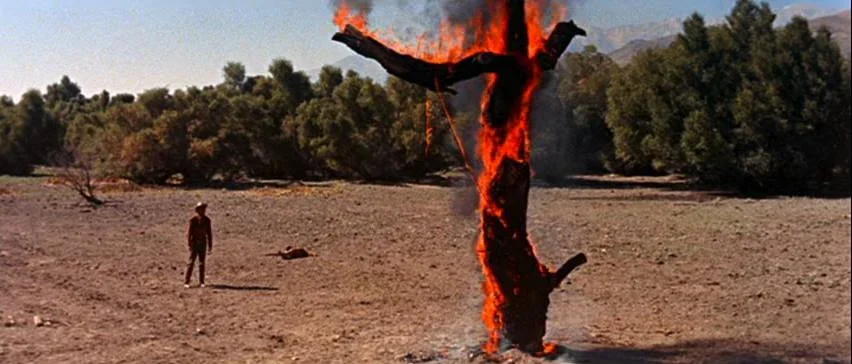
Randolph Scott
Ride Lonesome (1959) “Brewing within the distinctive characters and acted with the utmost conviction by an extraordinary cast, nevertheless, are an array of unique and coveted resolves customarily unobserved in the western genre. Action and dialogue are so terse, they exist as one. Adversarial undercurrents are ever present but unpredictably contained like the lava in a dormant volcano. Adding to the film’s enigmatic quality is our hero’s hidden agenda fuelled by a personal tragedy of devastating proportions, revealed toward the film’s unforgettable conclusion.”
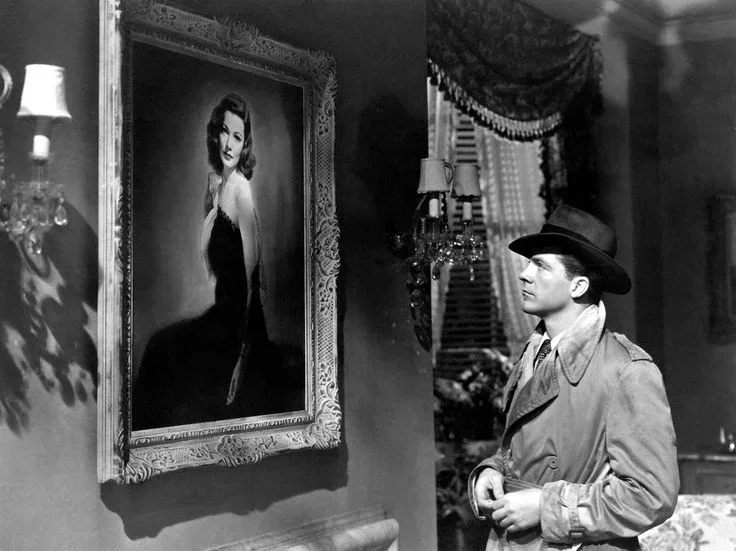
Dana Andrews
Laura (1944) “1944’s Laura is director Otto Preminger’s slick and assured amalgamation of mystery (whodunnit) and film noir (obsessive desire, gruesome murder etc) elements. The screenplay’s infinitely clever design includes an abundance of witty dialogue and spirited repartee that provides extra vitality to its already distinctive characters. This attribute also heightens our fascination over just who might have committed the grisly murder at the story’s centre.”
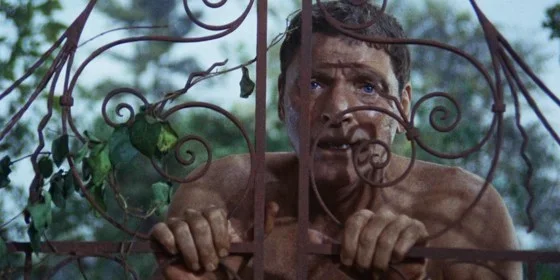
Burt Lancaster
The Swimmer (1968) “In The Swimmer, one can witness Ned's soul tragically beaten down the further he nears the completion of his journey while desperately holding on tighter to his fantasy and its glorious fulfilment. ‘Lucinda's waiting, the girls are home playing tennis, I'm swimming home’ finally becomes a kind of mantra for the poor disillusioned Ned. For the spectators, we have on one side, this alluring ‘romantacy’ (if you will): the often enviable visionaries and their idolised dreams of realisation. On the flip side, is the suppressed tragedy that inspired them. When fantasy and reality are diametrically opposed and yet so thought-provokingly intertwined, as they are in both Vertigo and The Swimmer, the results can be an emotionally charged conundrum: we too want to believe in, encourage, perhaps even participate with, the explorers and their grand missions but as drama lovers cannot deny the centripetal force of fate when it comes crashing in.”
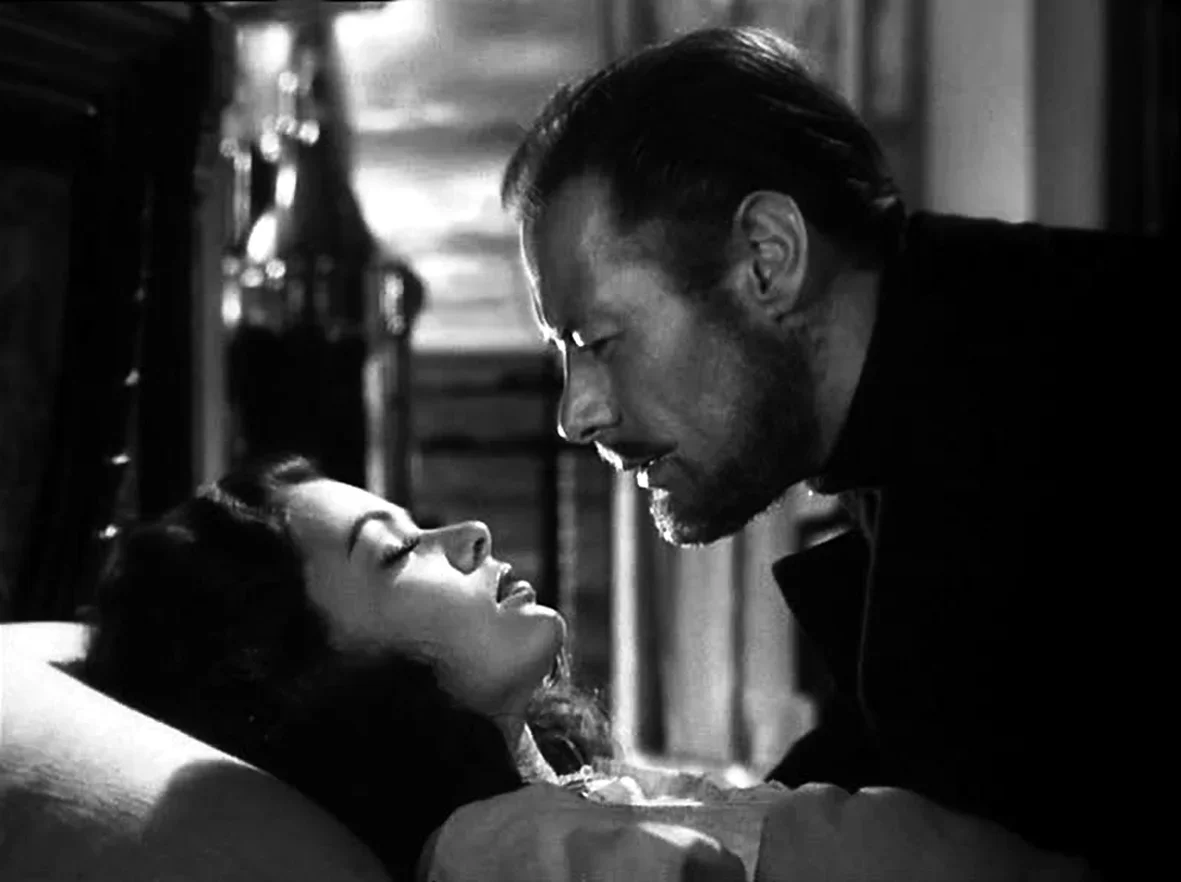
Gene Tierney, Rex Harrison
The Ghost and Mrs. Muir (1947) “Joseph L. Mankiewicz directs this memorable romantic fable with such intelligence, artistic style and sincerity, it will forever resonate for those willing to suspend an appropriate amount of disbelief. The enchanting beauty of Gene Tierney's Lucy Muir could only be enhanced by Bernard Herrmann who provides haunting themes for love's yearning and Captain Gregg's (a thoughtfully restrained Rex Harrison) resolve. Herrmann's musical tenderness which accompanies Anna Muir's revelation, sharply contrasts with the composer's stirring description of the majestic seaside setting. It's one of cinema's foremost compositional accomplishments, perfectly capturing each timeless moment of this spellbinding movie watching experience.”
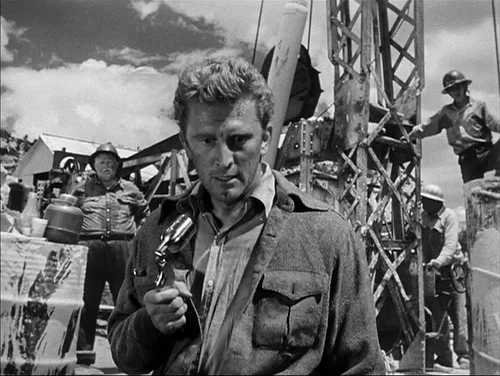
Kirk Douglas
Ace in the Hole (1951) “Billy Wilder's tragedy of Shakespearean proportions comes full circle in a final series of ruinous resolutions like nothing seen before. This auteur has, like Tatum does to Lorraine, grabbed his audience by the throat, squeezed and devastated us into submission with virulent words and striking images so potent, they'll forever remain in our consciousness.”
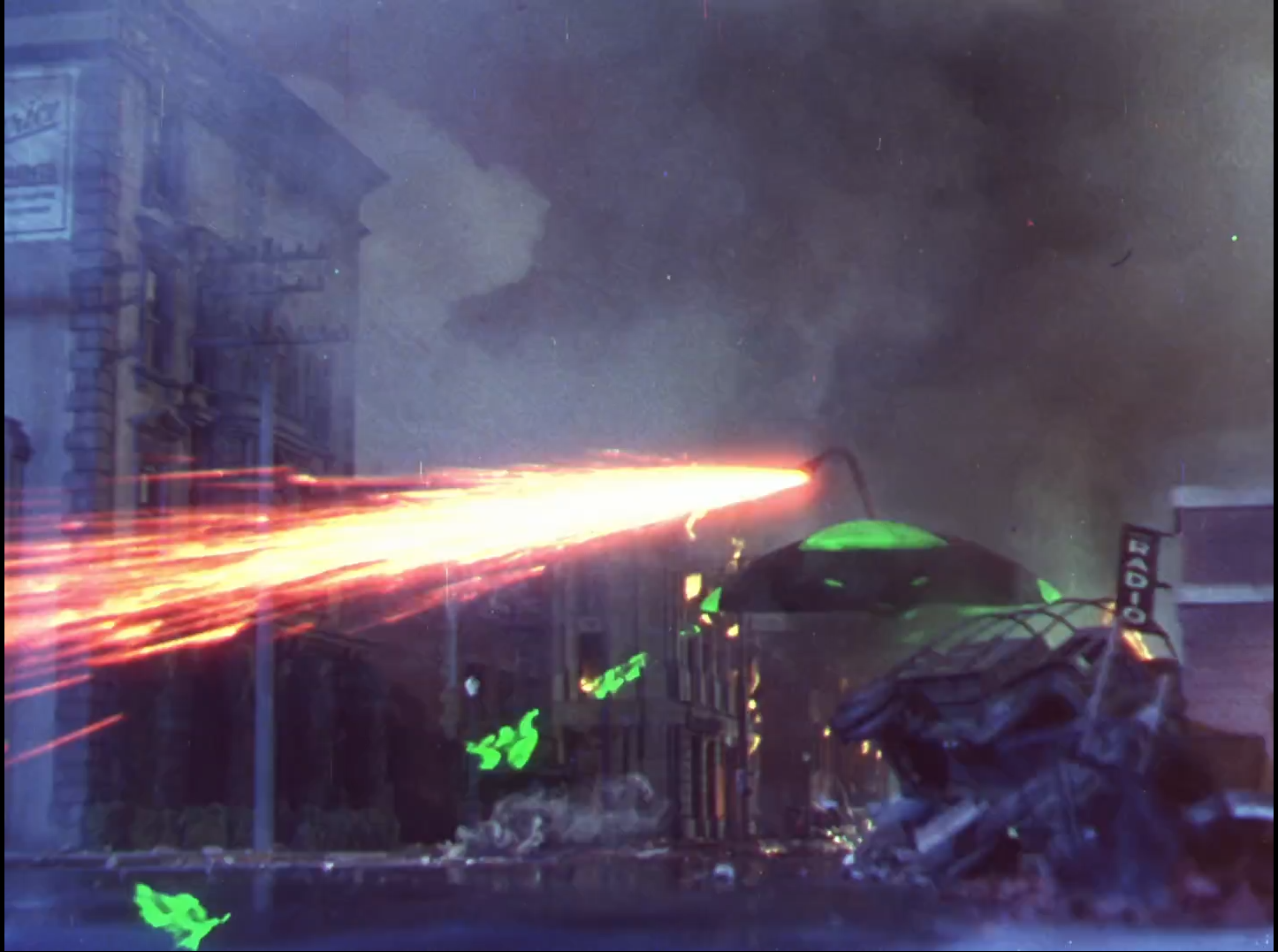
Produced by George Pal
The War of the Worlds (1953) “In addition, there are multiple exhilarating scenes of distinction that don’t rely on an enormous budget to capture our attention: the Pastor who attempts to communicate with the aliens by reading from scripture (the first indication that God is not taking sides), the military's reaction to their useless weapons, the siege of Forrester’s vehicle and supplies in downtown Los Angeles which represents humanity's last hope, the feelings expressed between the two main characters (Forrester’s romantic interest, a science instructor, is played with sincerity by Ann Robinson) in a time of extreme crises, and the narration provided by Cedric Hardwicke… (Morgan Freeman is no slouch but his narration for the 2005 version lacks the command of his predecessor and sounds rudimentary by comparison).”
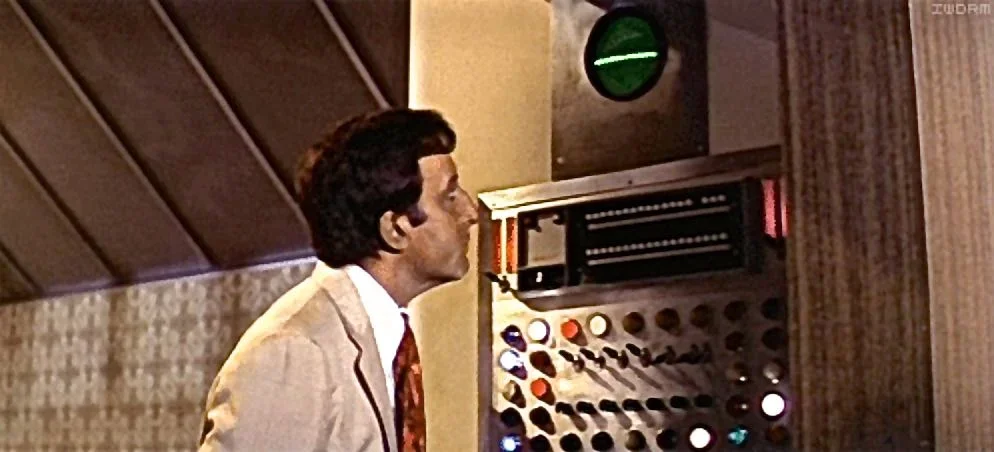
Peter Sellers
The Party (1968) “The movie is belied by its experimental nature, looking fresh and naturally inspired by the works of French director Jacques Tati. A supporting turn by Steve Franken as a waiter who gets totally sloshed adds to the fun. Henry Mancini did the fabulous score including the very beautiful song ‘Nothing to Lose’ which, like the film's final moments, is delightful.”
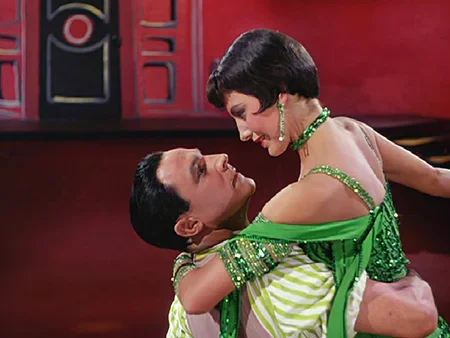
Gene Kelly, Cyd Charisse
Singin’ in the Rain (1952) “Anyway, Singin’ in the Rain is a fabulous production. All of the film's creative, energetic and imaginative juices flow like wine at a Bacchanal. If you’ve seen this exuberant musical, further praise is unnecessary. If you haven’t, best you discover for yourself the picture's wondrous attributes.”
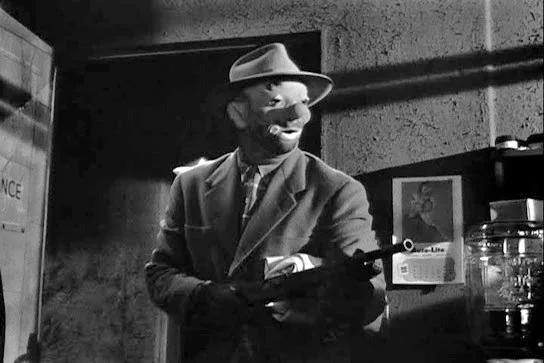
Sterling Hayden
The Killing (1956) “Stanley Kubrick's 1956 auspicious film noir The Killing, is a gutsy and stylish noir that's brilliant in the original way it moves back and forth through time, a strong narrative device copied by Tarantino and others. An omniscient, hard-talking narrator (the great Art Gilmore) introduces a distinctive array of strong macho guys planning a unique and perfect heist while Marie Windsor's ubiquitous femme fatale tries to listen in. Writer Jim Thompson's tough as shoe leather dialogue is speedily delivered by Sterling Hayden as the caper's imposing mastermind. All of the characters are shown to have motive, the very cornerstone of noir.”